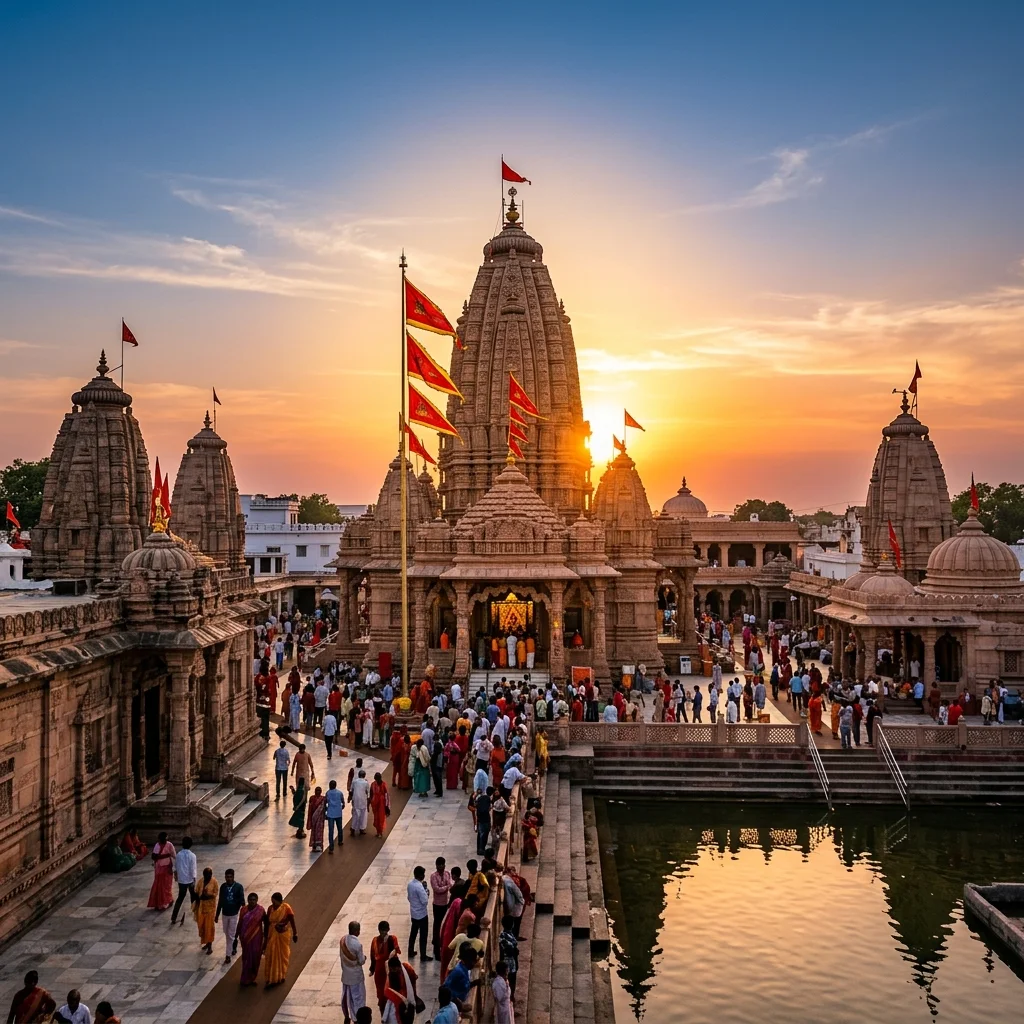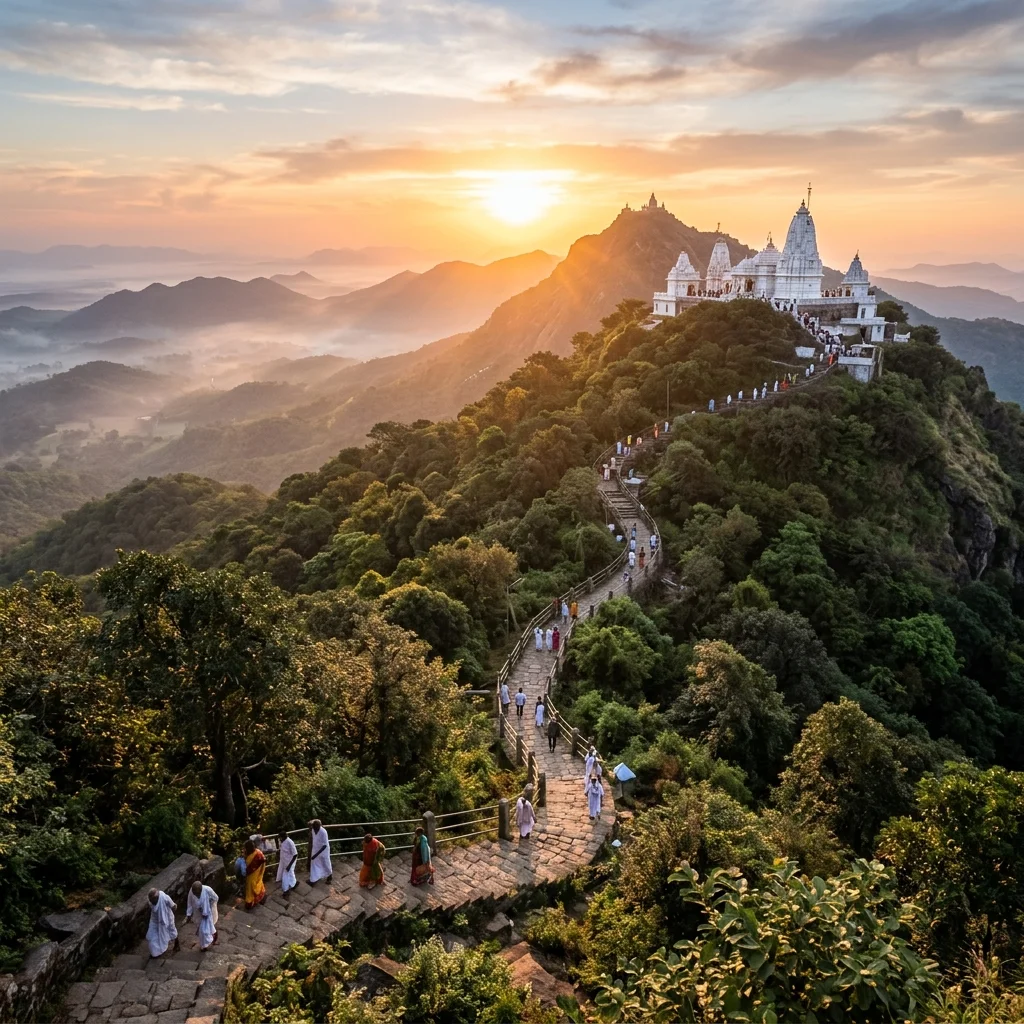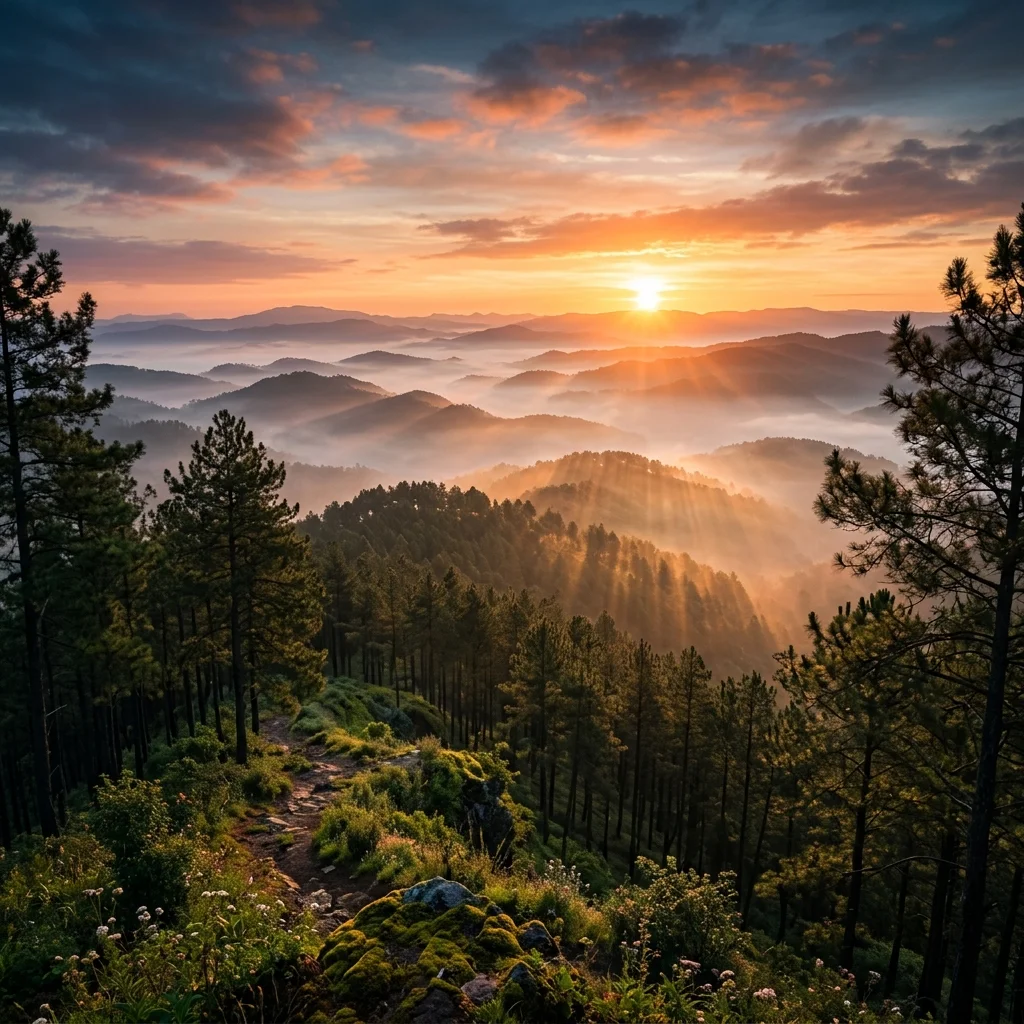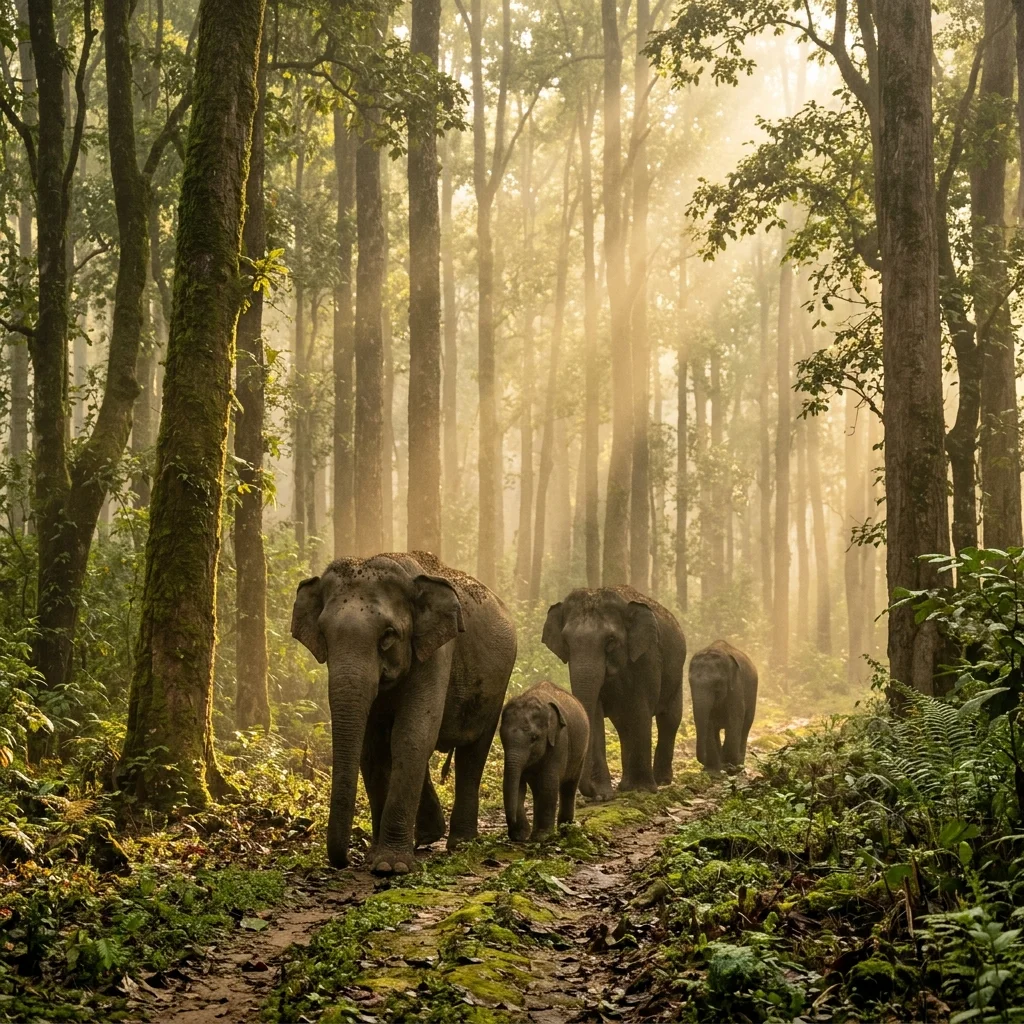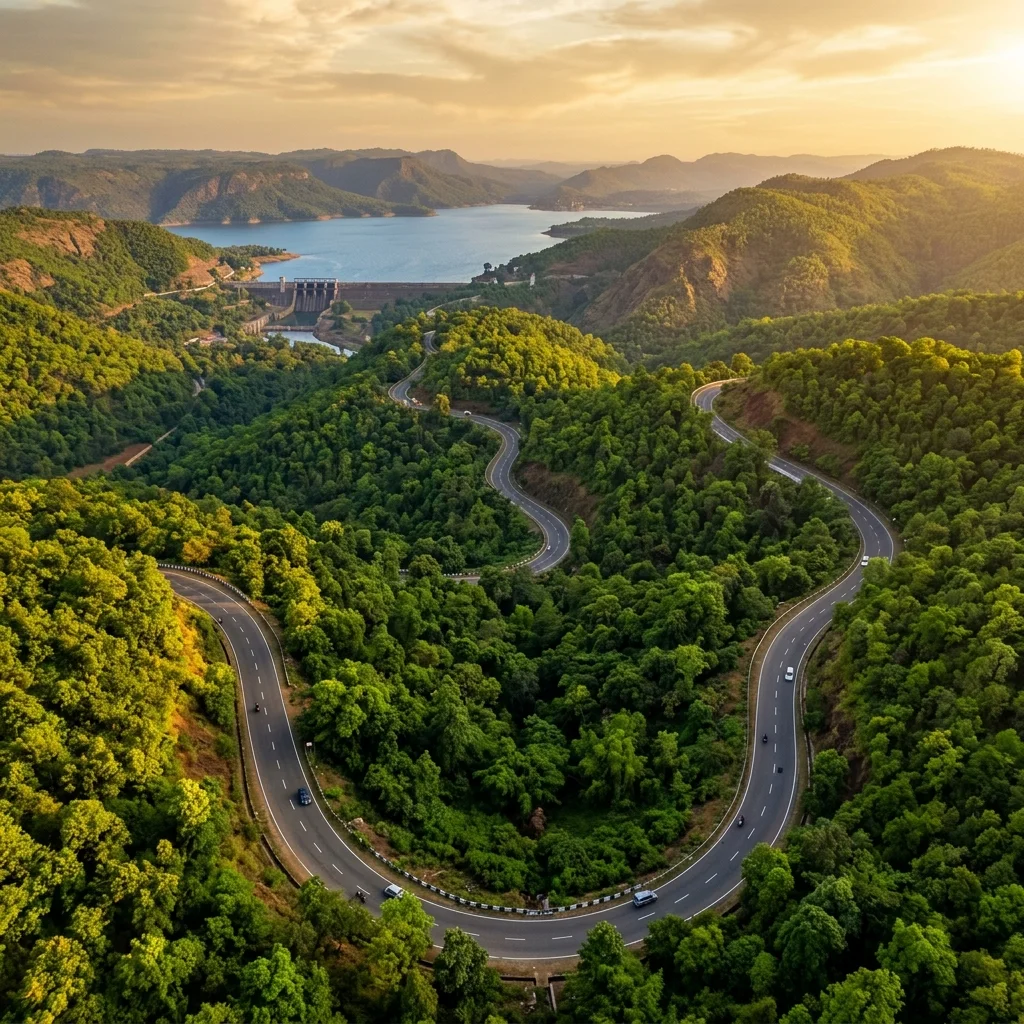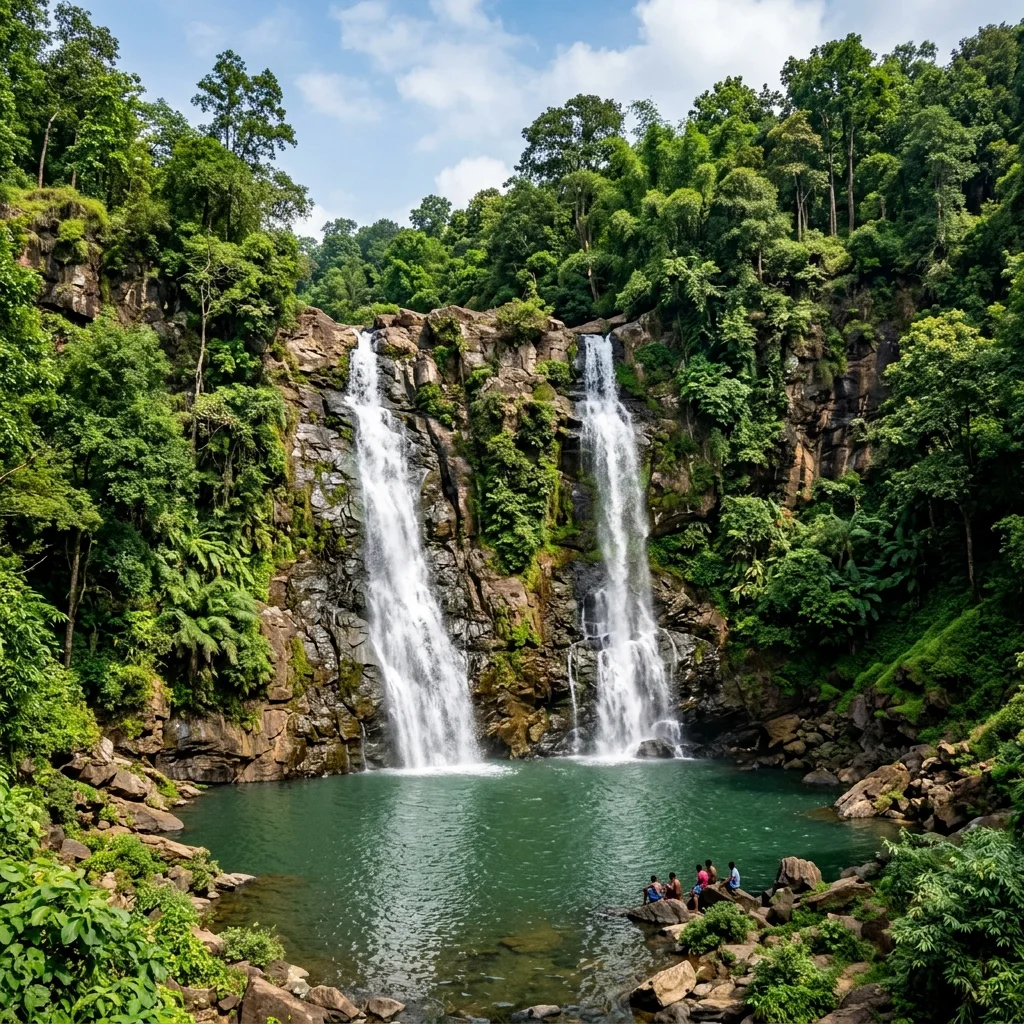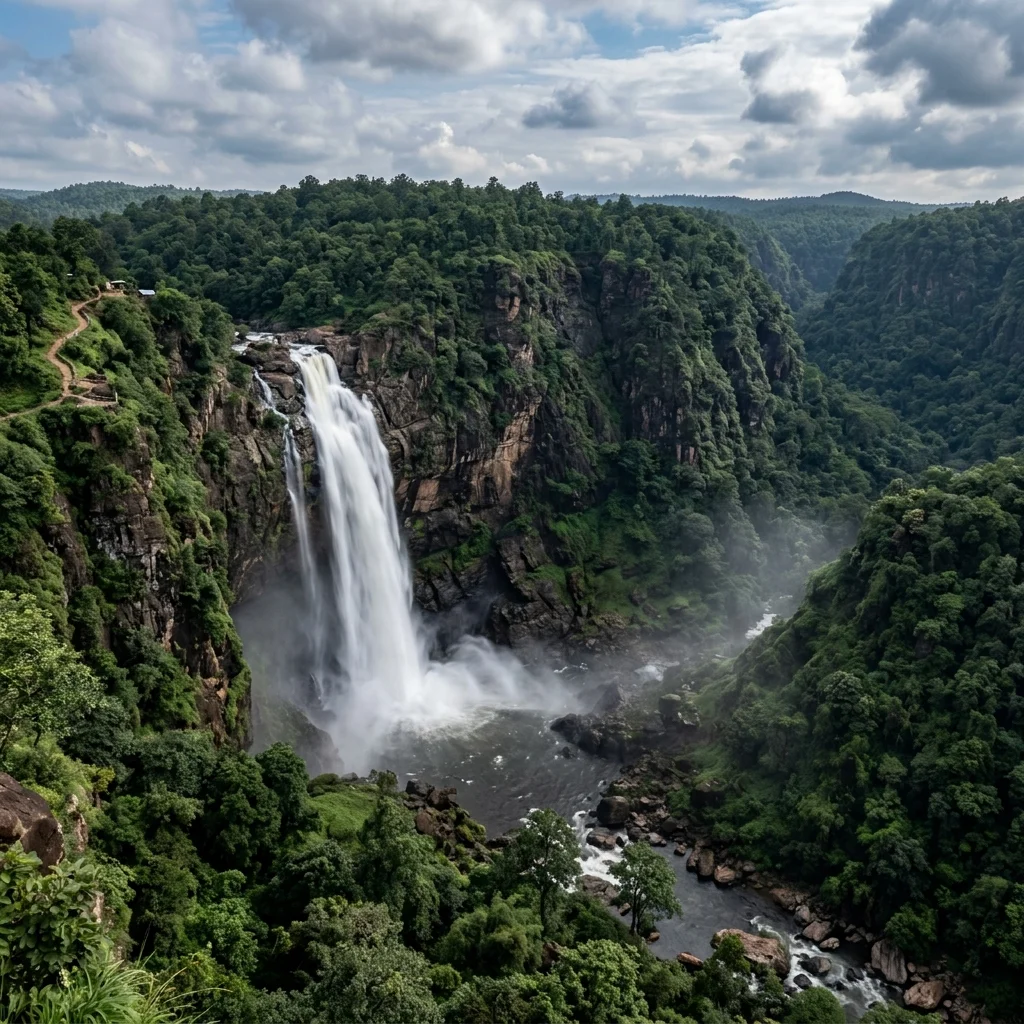
Honoring the indigenous heritage and ancient lifestyle traditions of Jharkhand's tribal communities.
Jharkhand's identity is deeply intertwined with its tribal heritage, which constitutes over 26% of the state's population. With 32 officially recognized tribal communities, each group possesses a distinct language, religious system, governing council, and artistic folklore.
These tribes have lived in harmony with the forests of the Chotanagpur Plateau for millennia. Their spiritual beliefs are centered around nature worship (Sarnaism), where sacred groves (Sarna) and holy hills are revered as the dwelling places of forest deities. Prominent tribal leaders like Birsa Munda, Sidho, and Kanhu are legendary national heroes who fought fiercely for tribal rights against British colonial exploitation.
A look into the customs, languages, and locations of the four largest tribes in Jharkhand.
Primary Region: Santhal Pargana (Dumka, Sahibganj, Pakur)
The Santhals are the largest tribal community in Jharkhand. Known for their structured agricultural villages, clean mud houses with red border paintings, and the famous Santhali language written in the Ol Chiki script. Their major festival is Sohrai (harvest festival), celebrated with communal singing and dancing.
Primary Region: Ranchi, Khunti, West Singhbhum
The Mundas are one of the most ancient tribes in India, famous for spearheading historic rebellions against British landlords. They speak Mundari and have a rich oral tradition of songs. Munda villages are led by a secular headman (Munda) and a spiritual head (Pahan), and they preserve sacred grove centers called Sarna.
Primary Region: Ranchi, Gumla, Latehar, Lohardaga
The Oraon tribe (also called Kurukh) is known for its rich folk song and dance heritage. Historically, they migrated from the Deccan to the Chotanagpur Plateau. They speak Kurukh, a Dravidian language, and are famous for the Karma dance, where youths perform around a branch of the holy Karam tree.
Primary Region: West Singhbhum (Saranda Forest area), East Singhbhum
The Ho people inhabit the dense forest districts of Singhbhum. They have a rich martial history and speak the Ho language, written in the Warang Chiti script. They are organized under a traditional local self-governing administrative system known as the Munda-Manki system.
Sarnaism, or the Sarna religion, is the indigenous nature-worship faith followed by a large majority of tribal communities in Jharkhand. At the core of Sarnaism is the deep belief that the supreme creator deity (Dharmesh or Singbonga) resides in the elements of nature, particularly in the sacred forest groves called Sarna Sthan (Jaherthan).
Unlike religions with temples or idols, Sarna worship takes place directly under the open sky within these preserved forest pockets. The holy Sal tree is revered as the primary symbol of life, strength, and divine presence. During festivals, the village priest (Pahan or Naike) performs ritual offerings of milk, clay, and grain at the Sarna Sthan to pray for timely rains, crop abundance, and the health of the community. In recent years, a massive movement has grown to officially recognize the 'Sarna Code' as a distinct religious category in India, showcasing the pride of tribal identity.
A look into Jharkhand's 8 PVTGs, representing some of the most ancient communities in the subcontinent.
The Asurs are one of India's oldest communities, famously mentioned in Vedic literature. They are pioneers of indigenous metallurgy, traditionally extracting iron ore from hills and smelting it in clay kilns using charcoal. They speak the Asuri language and primarily reside on the high hill tables (pats) of Netarhat, Bishunpur, and Gumla.
The Birhors (meaning "people of the forest") are traditionally nomadic hunters and gatherers. They are highly skilled rope-makers, weaving strong cords out of forest creepers (chihur bark), and are famous for building traditional conical leaf huts called Kumbhas. They live in temporary forest camps called Tandas.
The Sauria Paharias inhabit the high rocky peaks of the Rajmahal Hills in Sahibganj and Pakur. They practice a traditional style of slash-and-burn farming called Kurwa, speak the Malto language (a Dravidian dialect), and have lived as natural guardians of the Rajmahal hills since the medieval era, keeping a close bond with nature.
The historic self-governing councils protected under the 5th Schedule of the Constitution.
Associated Tribe: Ho Tribe
An ancient democratic system where a village group (10-12 villages) forms a 'Manki' circle. The Munda handles village administration, while the Manki resolves inter-village disputes, manages forests, and handles local revenue.
Associated Tribe: Santhal Tribe
The Santhal governance operates under the Manjhi (village headman) who is assisted by the Paranikh (deputy), Jog Manjhi (guardian of morals), and Godet (messenger). Inter-village issues are referred to the Parganat (district leader).
Associated Tribe: Oraon Tribe
The Oraon village assembly is run by the Mahto (secular chief) and Pahan (spiritual chief). Inter-village disputes are taken to the Parha Panchayat, a regional federation led by the Parha Raja, ensuring community consensus.