Permits, safety guides, local customs, and travel essentials answered by our local coordinators.
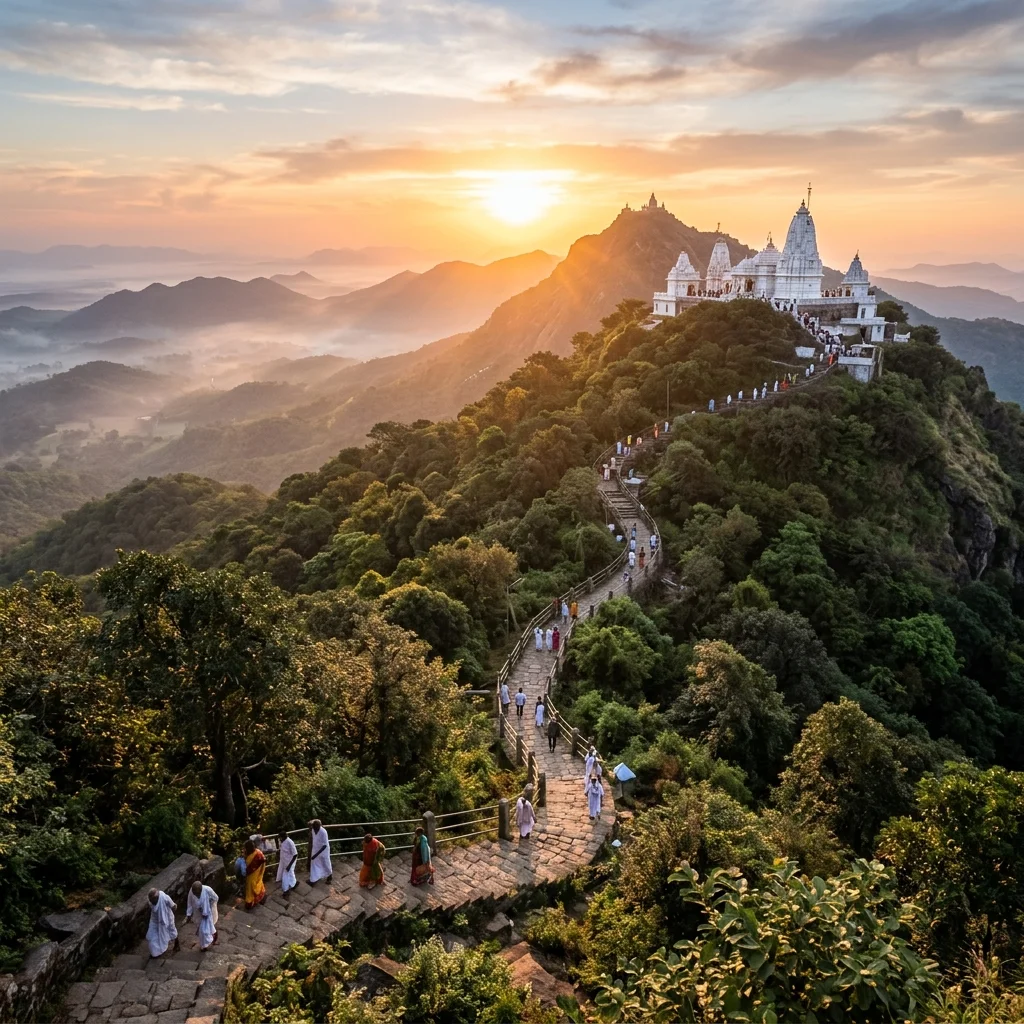
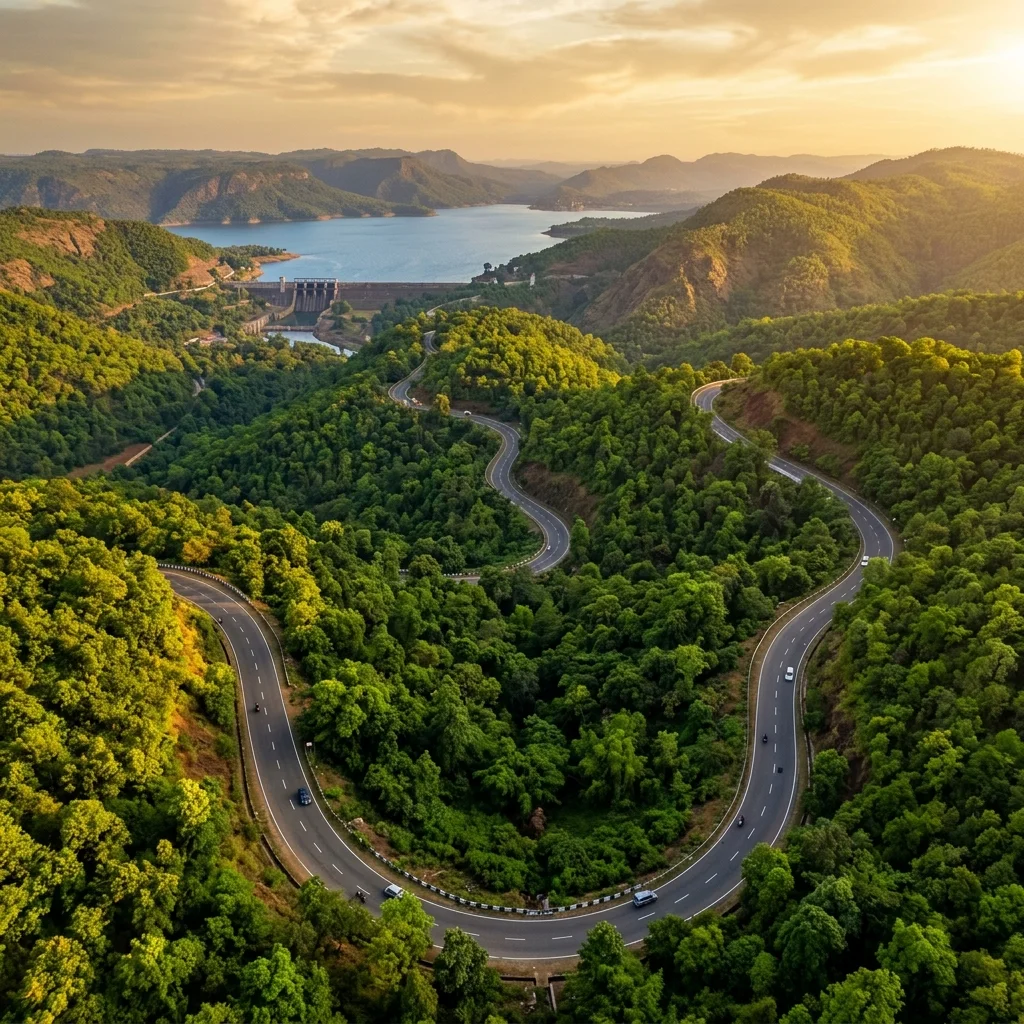
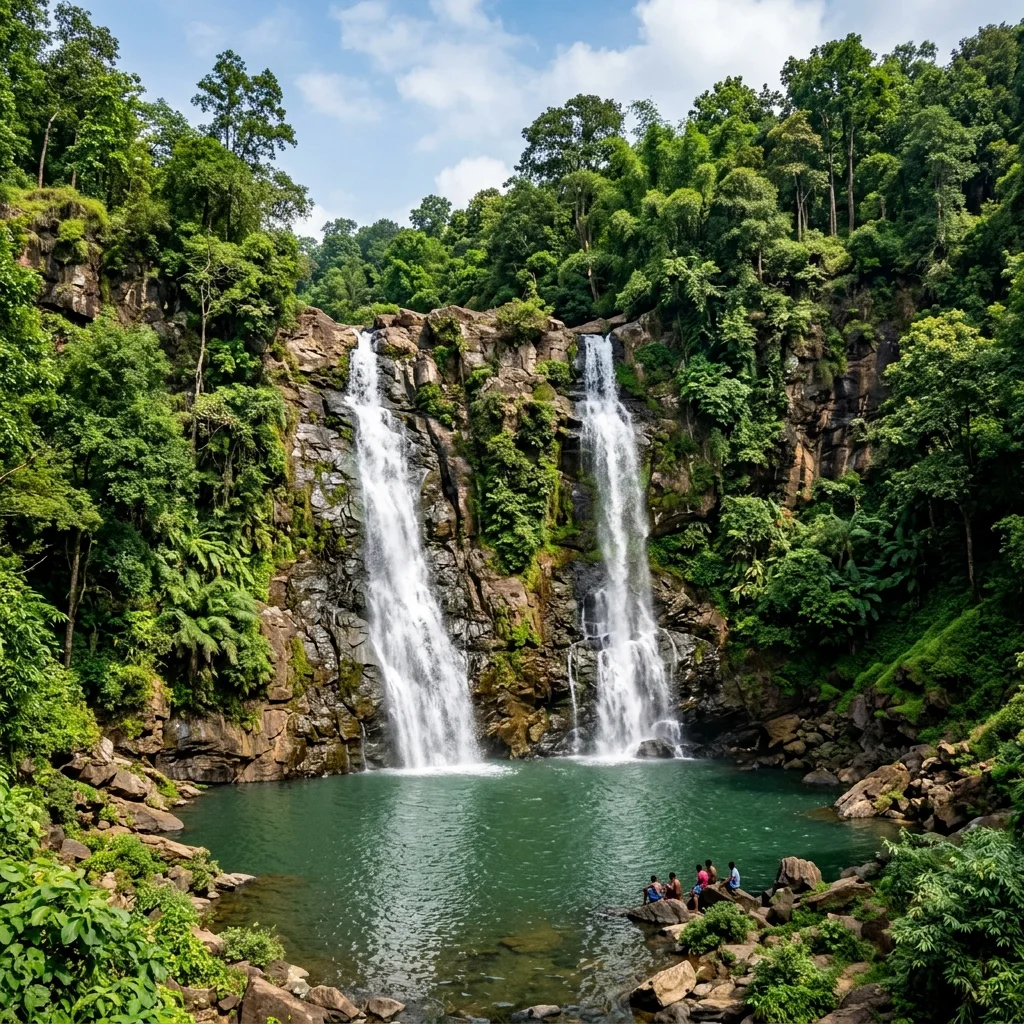
Yes, Jharkhand is generally safe for both solo and family travelers. Standard precautions apply: avoid driving through remote forest tracts or national highway ghat sections after dark (post 6:30 PM), stick to recommended tour routes, and hire certified local guides when trekking remote hills like Parasnath or entering deep waterfall canyons.
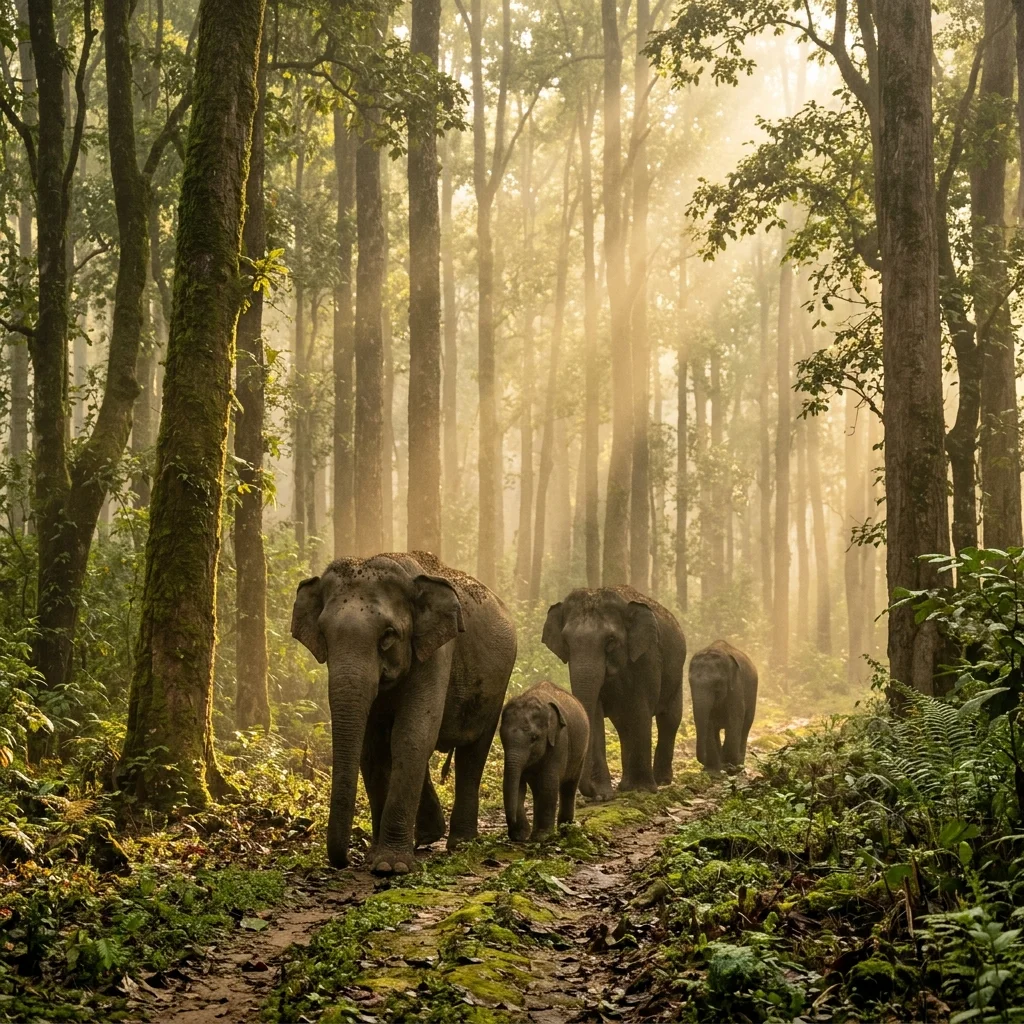
Ordinary day safaris in Betla National Park or Dalma Wildlife Sanctuary do not require advance permits; you can purchase entry tickets and hire safari jeeps directly at the sanctuary gates. However, overnight stays in forest rest houses or camping inside reserved zones must be booked in advance through the Jharkhand Forest Department or local tourism offices.
Hindi is the official language and is widely understood and spoken across all cities. Local residents also speak regional dialects like Sadri, Nagpuri, and Khortha. Additionally, indigenous tribal groups speak their respective languages such as Santhali (written in Ol Chiki), Mundari, Ho, and Kurukh.
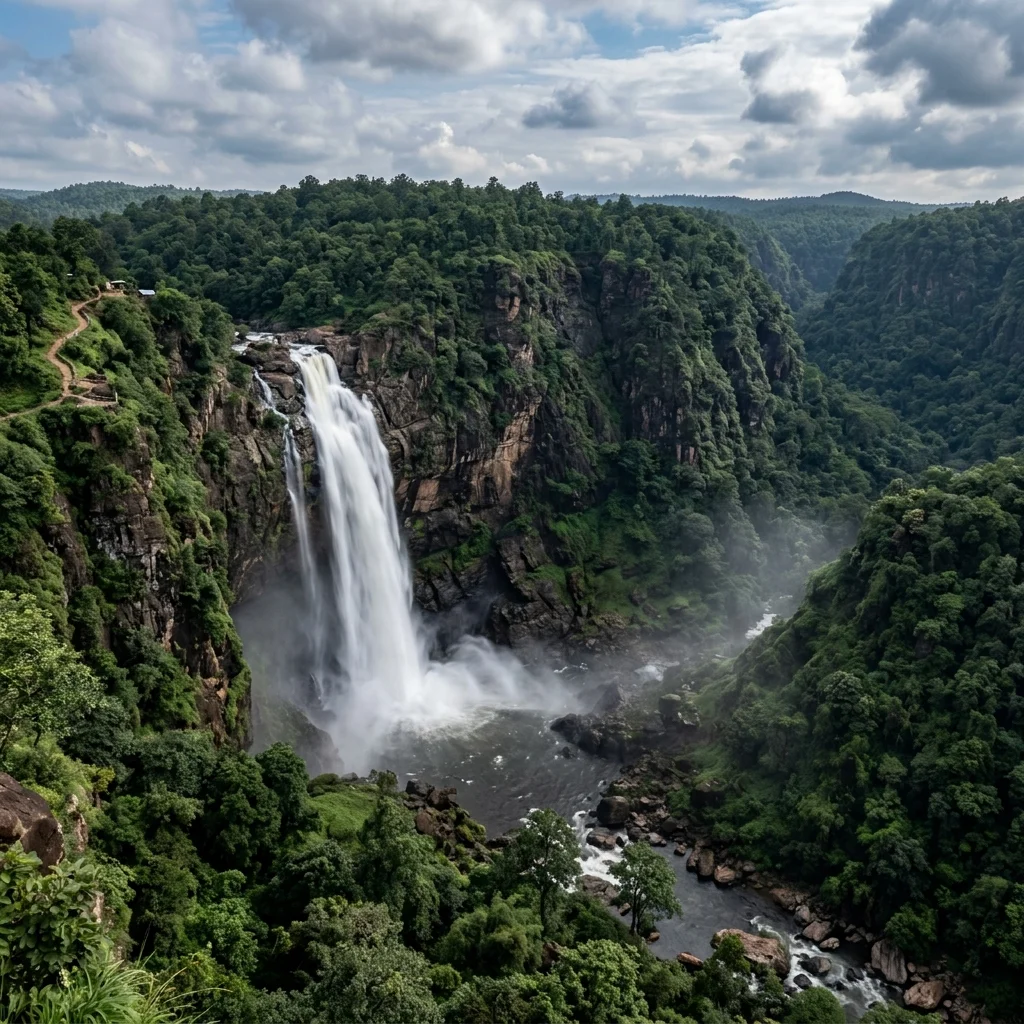
In major cities (Ranchi, Jamshedpur, Dhanbad, Bokaro, Deoghar), high-speed 5G mobile networks and ATMs are abundant. However, in remote locations like Netarhat, Betla, and Lodh Falls, network coverage can be patchy (Jio and BSNL work best) and ATMs are rare. We highly recommend carrying sufficient physical cash for local transit, meals, and entry tickets in remote areas.
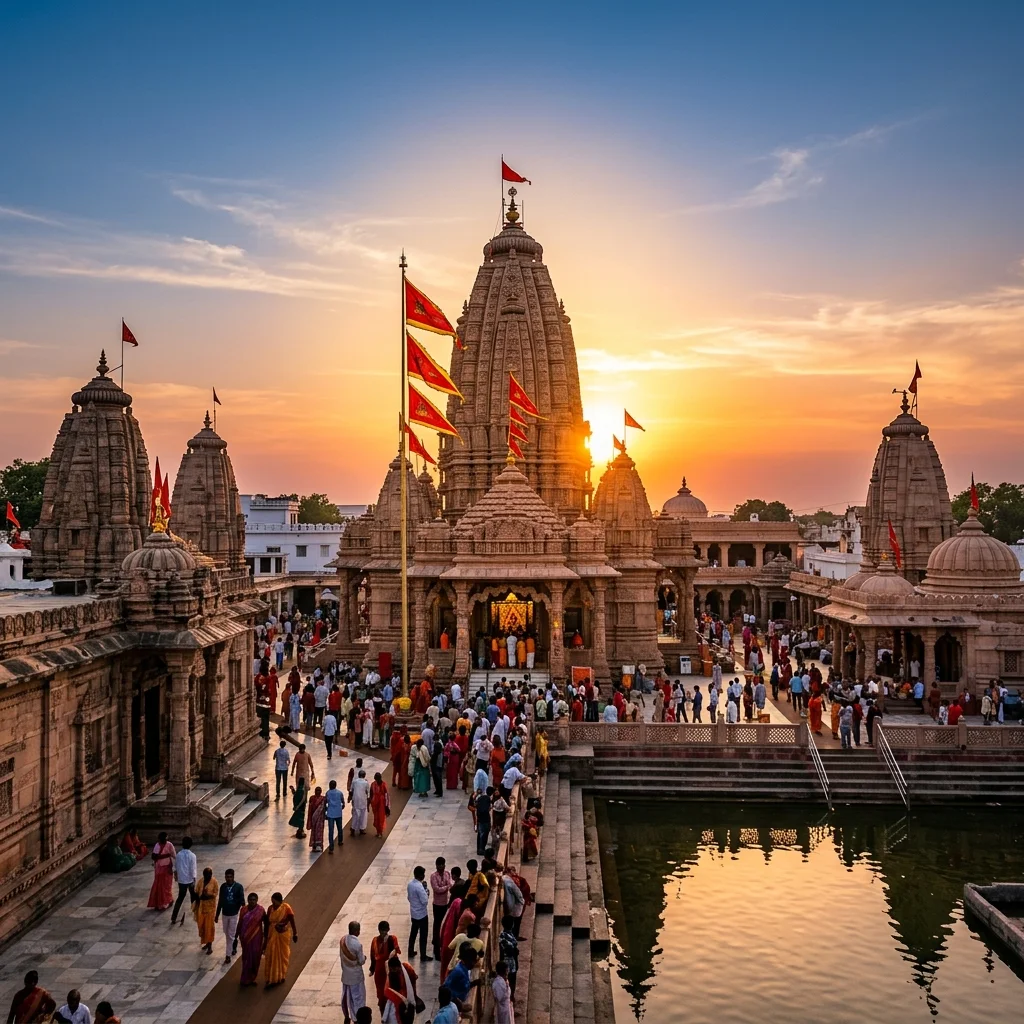
When visiting tribal villages, respect privacy and ask for permission before taking photographs of residents or their mud wall paintings (Sohrai). When visiting holy shrines like Baidyanath Dham or Parasnath summit, remove footwear, dress modestly (avoid shorts/revealing clothing), and follow local temple regulations regarding offerings.