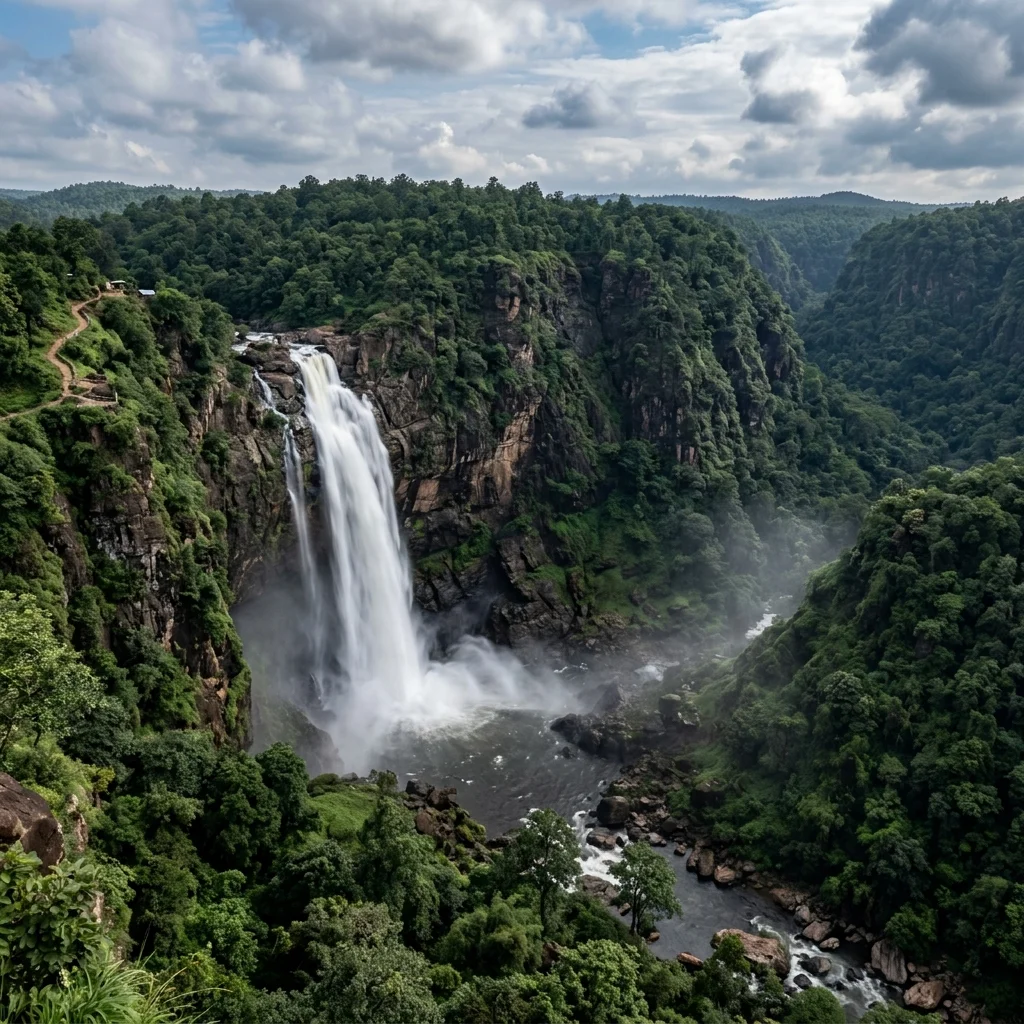
Explore Jharkhand region-by-region. Search all 24 districts, find local attractions, and discover hidden offbeat gems.
Showing 24 districts
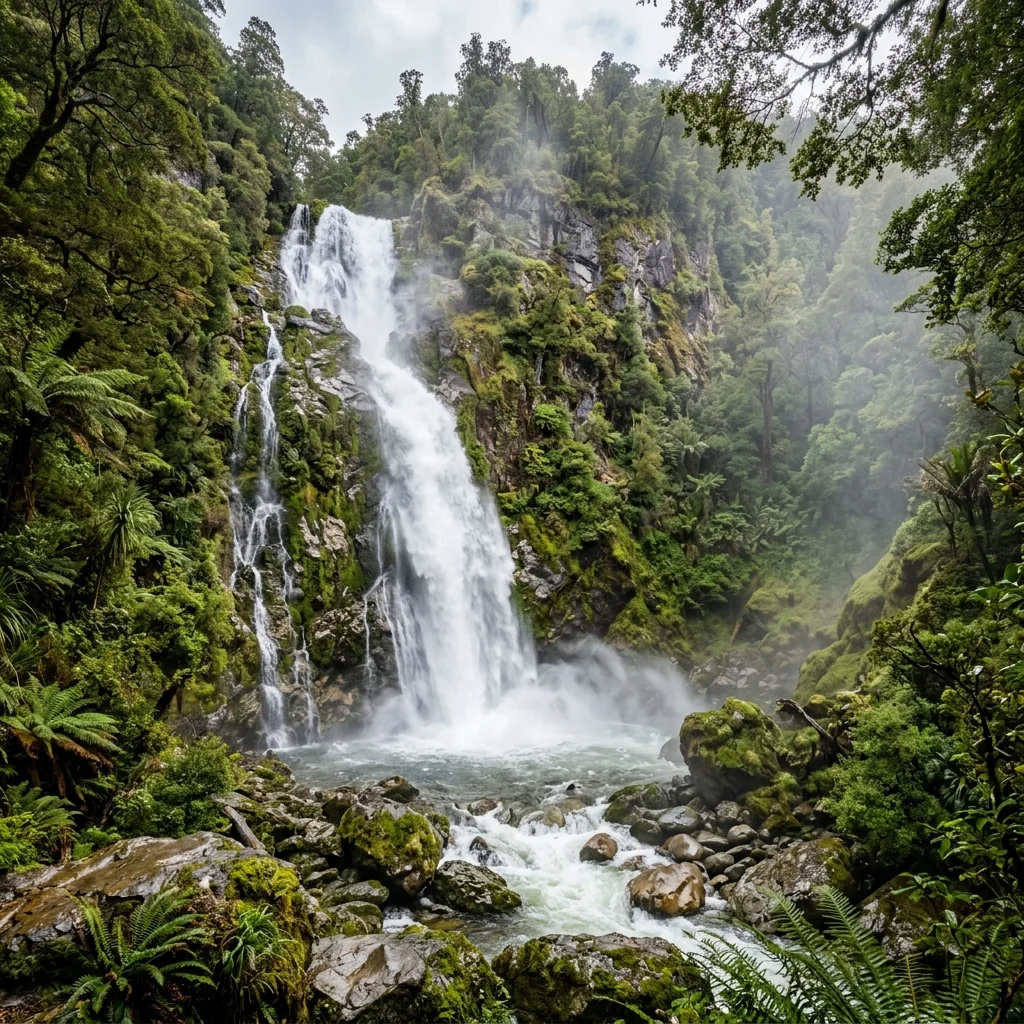
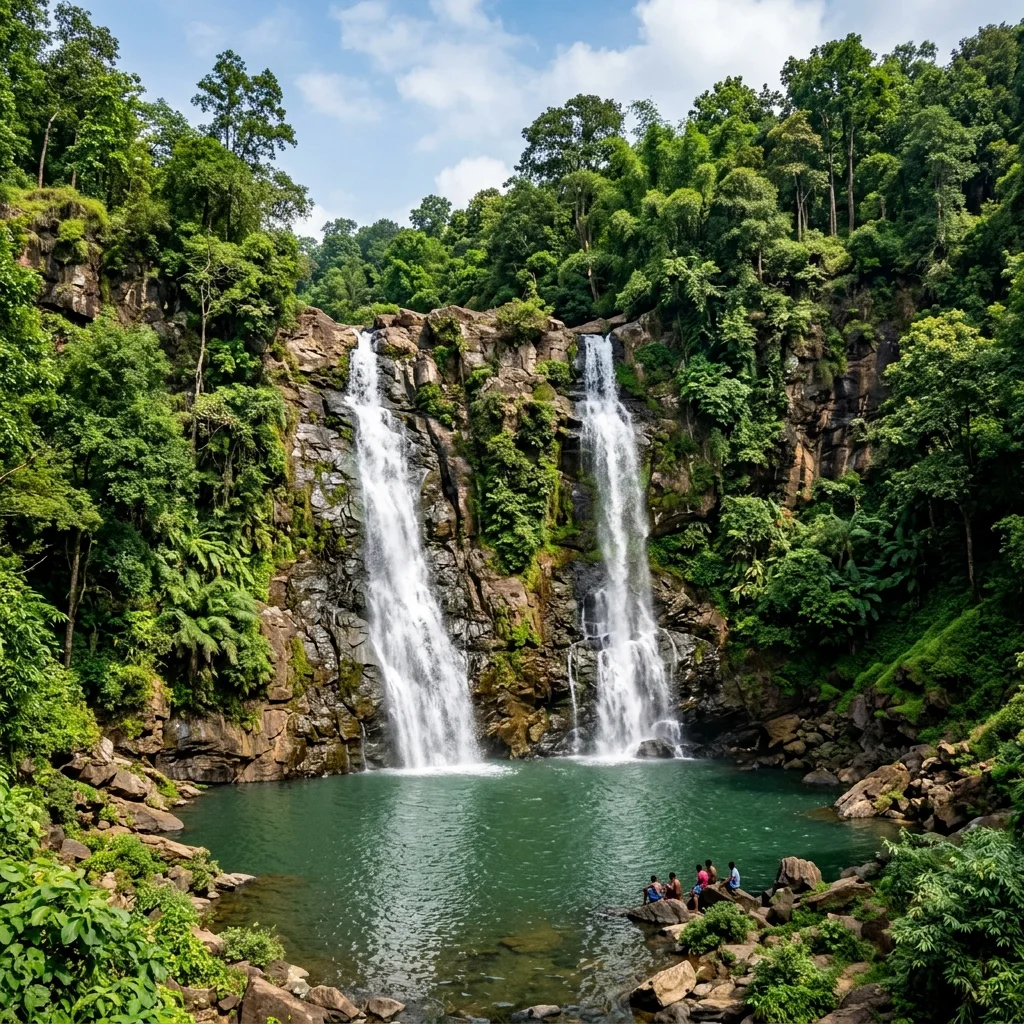
Ranchi, the capital of Jharkhand, is famously known as the "City of Waterfalls" due to its numerous scenic cascades. Perched on the southern part of the Chotanagpur Plateau at an altitude of 651 metres, Ranchi offers a temperate climate and is surrounded by dense sal forests and rolling hills. It serves as the primary travel gateway to the state.
Home to India's first planned industrial city, Jamshedpur (Tatanagar), East Singhbhum seamlessly blends industrial progress with natural beauty. Bordered by the Subarnarekha and Kharkai rivers, the district features the majestic Dalma Hills and dense forests.
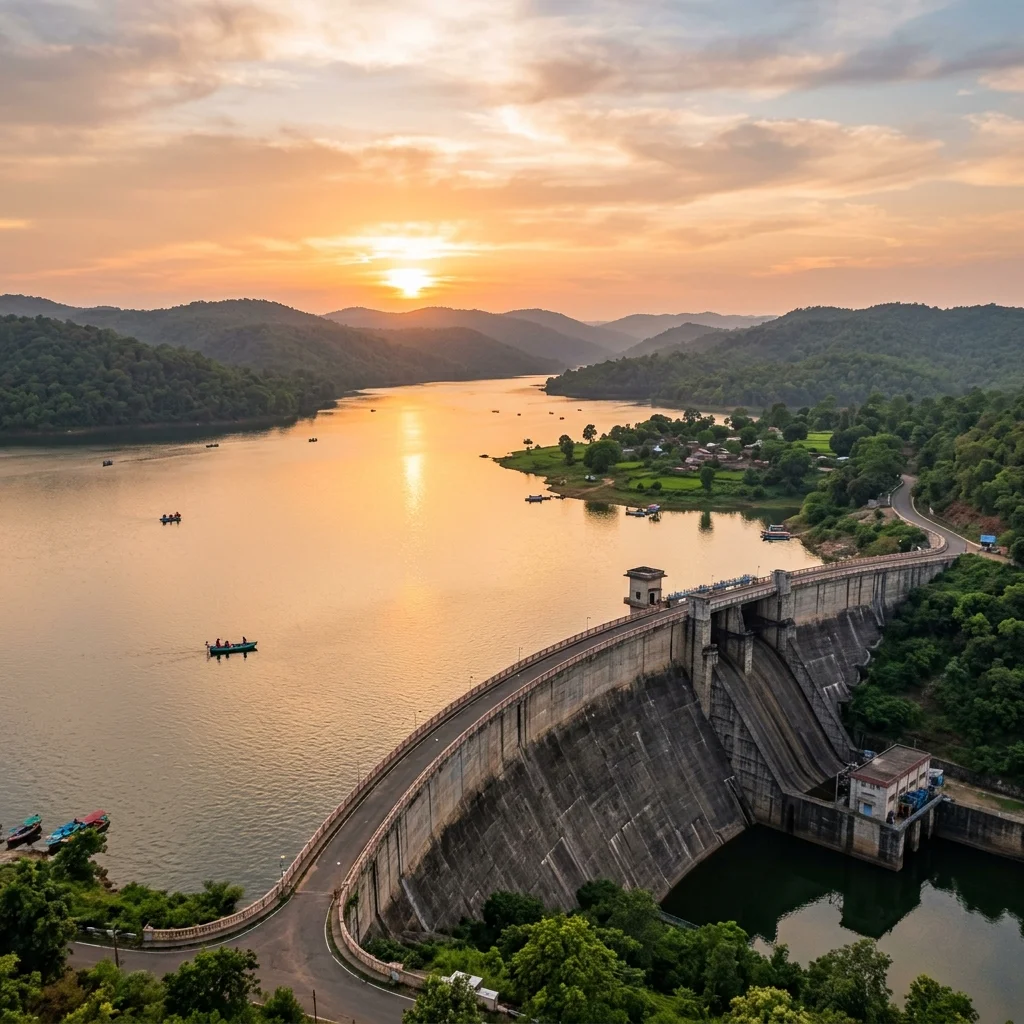
Known as the "Coal Capital of India," Dhanbad is one of the busiest commercial districts of Jharkhand. Beyond its industries, it features expansive water reservoirs like Maithon and Panchet dams, which serve as picturesque weekend getaways.
Famous for its massive steel plant, Bokaro is a well-planned industrial hub. The district is bordered by the Damodar River and has beautiful green spaces and hills, offering both urban parks and rural sanctuaries.
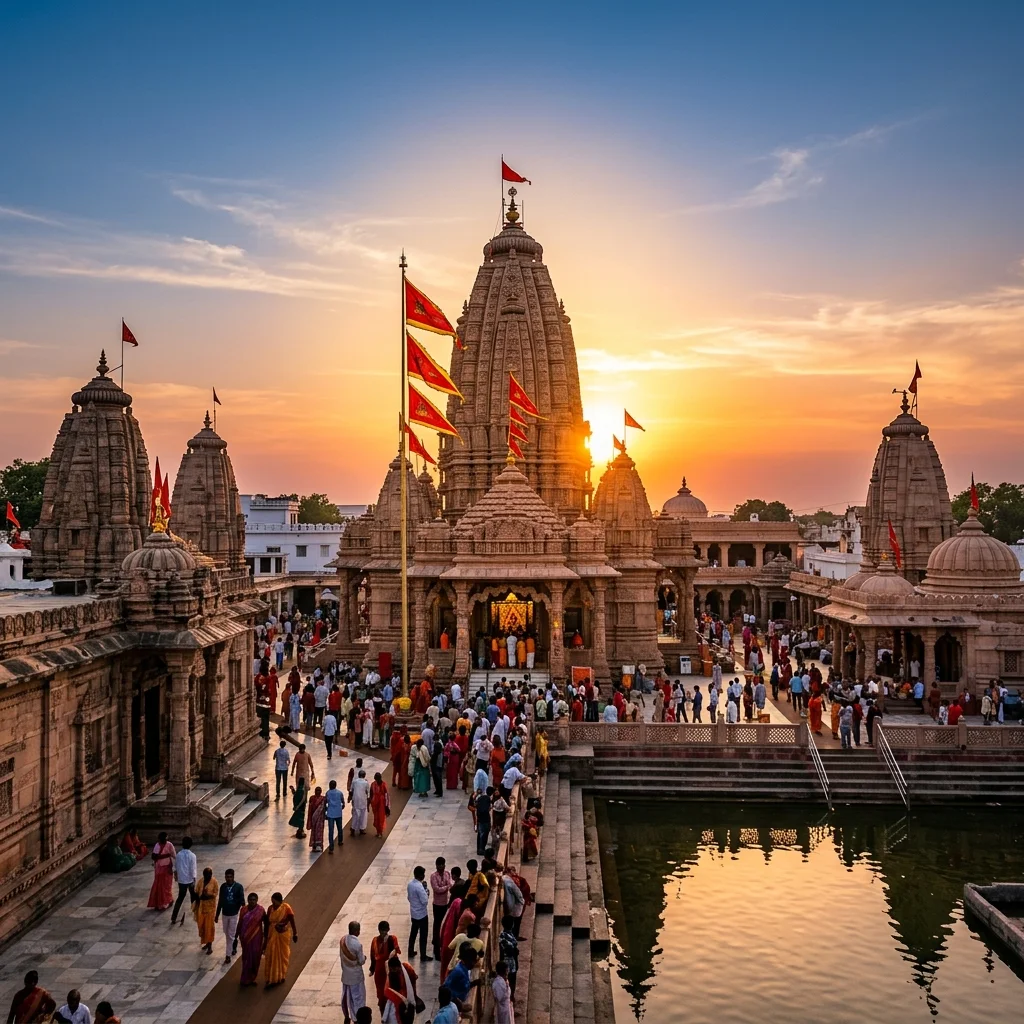
Deoghar, meaning "Abode of the Gods," is the spiritual capital of Jharkhand. It houses the ancient Baidyanath Temple, one of the 12 sacred Jyotirlingas in India, making it a major Hindu pilgrimage site.
Hazaribagh, meaning "City of a Thousand Gardens," is a picturesque health resort town located on a scenic plateau. It is famous for its dense forests, lakes, hot springs, and prehistoric rock art sites.
Dumka is the sub-capital of Jharkhand, situated in the hilly Santhal Pargana division. It is characterized by undulating terrains, green forests, and the majestic Mayurakshi River spanned by the Canada Dam.
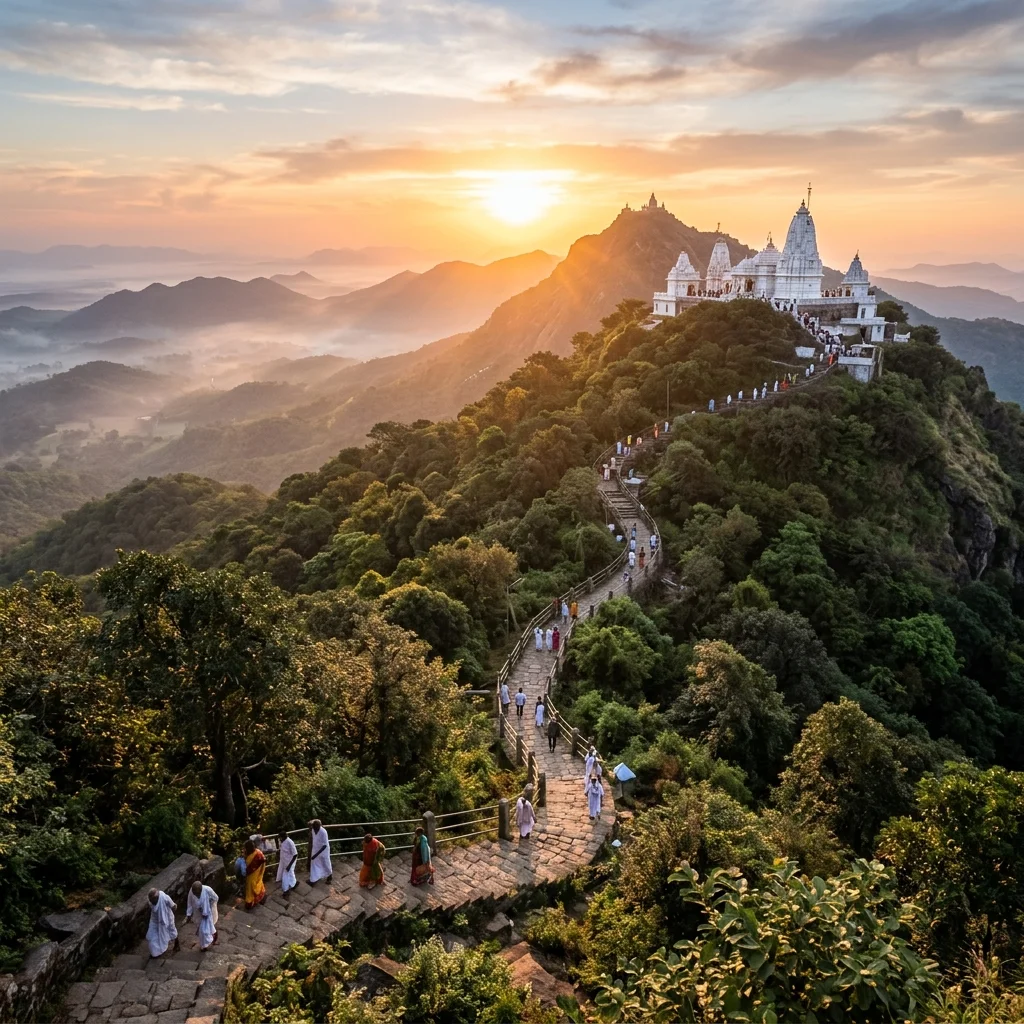
Giridih, bordered by the Usri River, is famous for its rocky hills and mining history. It houses Parasnath Hill (Shikharji), the highest peak in Jharkhand and the ultimate pilgrimage site for Jainism.
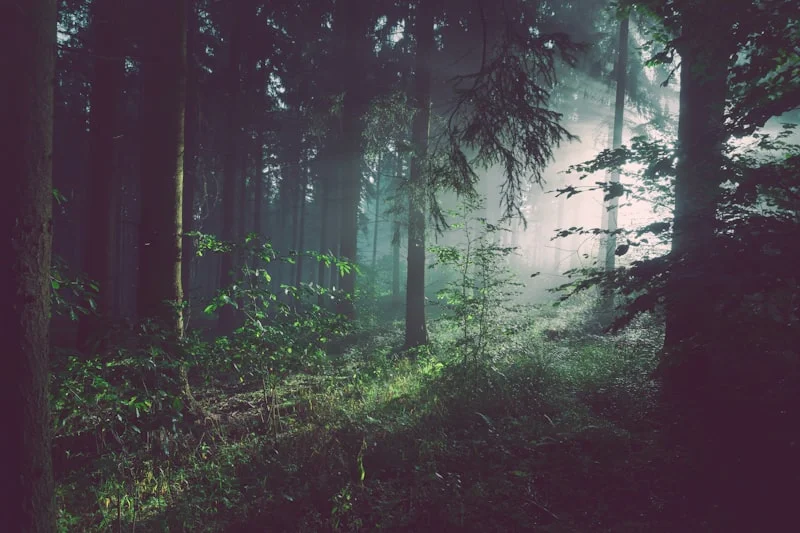
Latehar is a nature lover's paradise, consisting of massive forest covers, majestic waterfalls, and cool hills. It includes Netarhat (Queen of Chotanagpur) and Betla National Park, making it Jharkhand's premier eco-tourism hub.
Palamu is a historic land of forests and rivers. It features the dry deciduous woodlands of the Palamau Tiger Reserve buffer zones and the historic ruins of the Chero dynasty.
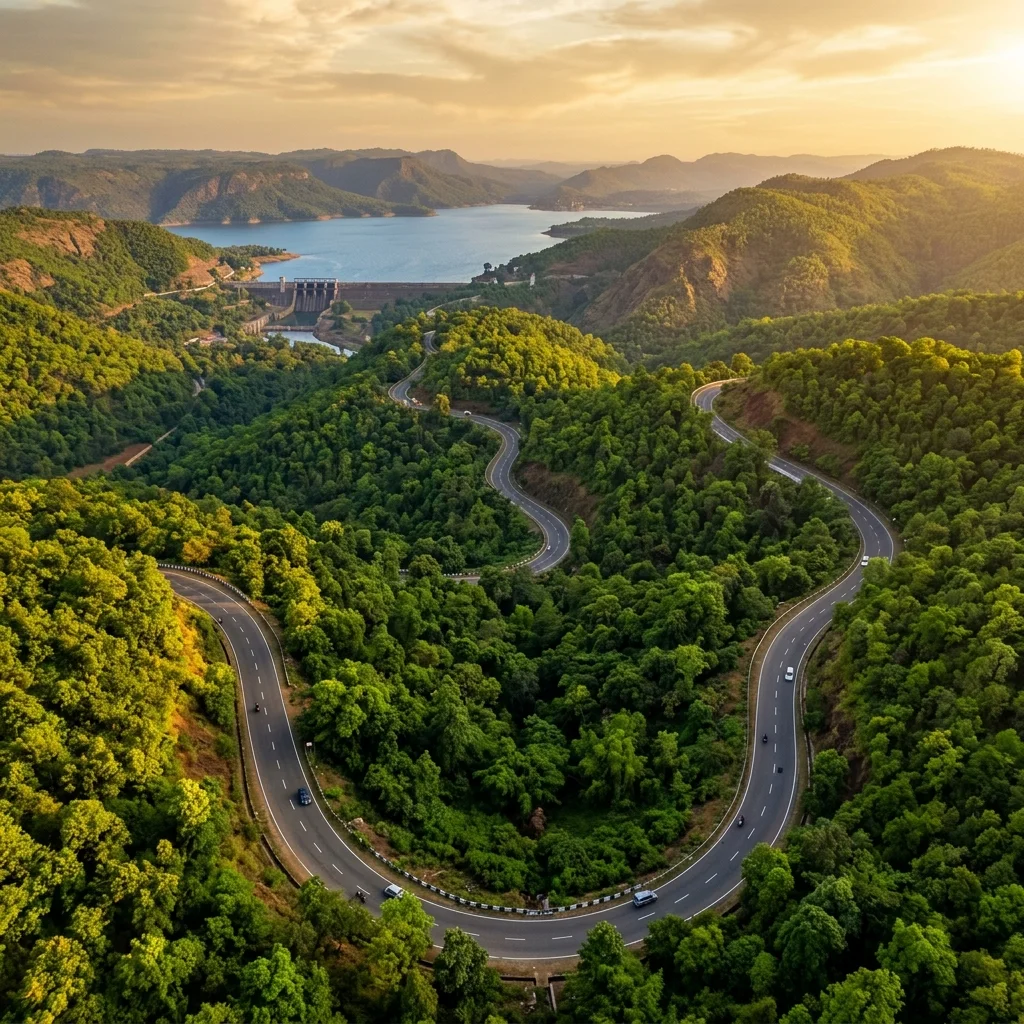
The smallest district in Jharkhand by area, Ramgarh is packed with scenic and spiritual spots. It features the winding S-curves of Patratu Valley and the holy Chinnamastika Temple at Rajrappa.
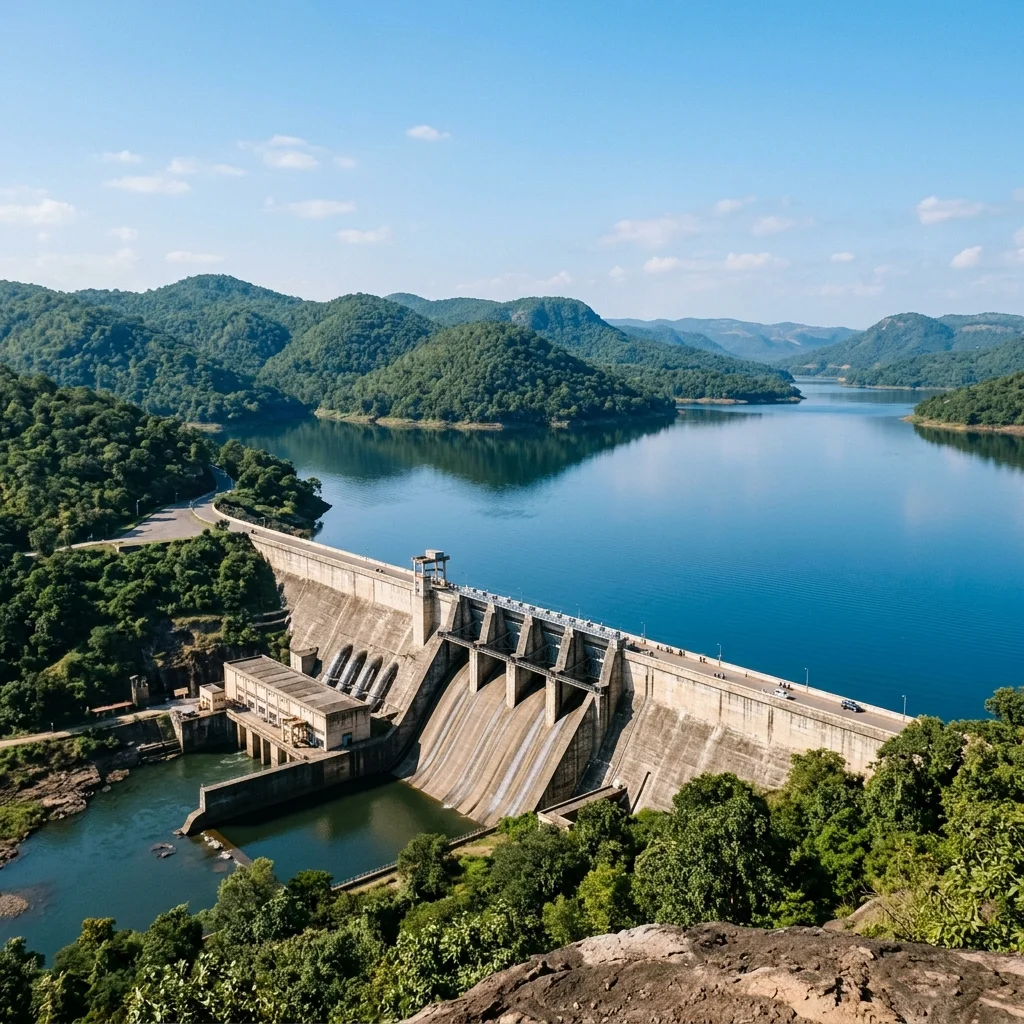
Known as the "Mica Capital of India," Koderma is surrounded by forests and hillocks. It is famous for Tilaiya Dam, a massive reservoir that marks the first DVC dam in India.
Located in the southwest, Gumla is rich in mythology. It is believed to be the birthplace of Lord Hanuman (Anjan Dham). The district features beautiful hills, waterfalls, and ancient temples.
Khunti, carved out of Ranchi district in 2007, is a historical tribal land. It is the birthplace of Birsa Munda, the legendary freedom fighter who led the "Ulgulan" tribal rebellion against British rule.
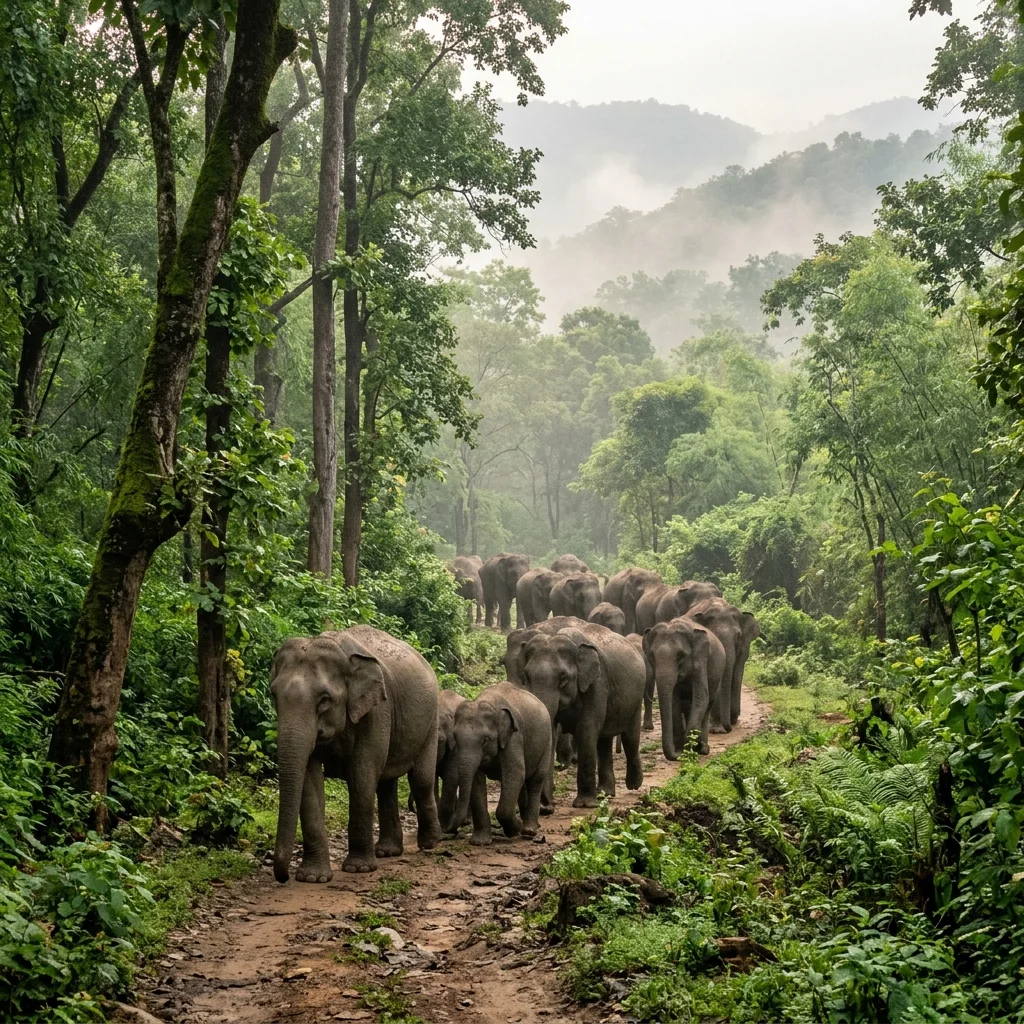
The largest district in Jharkhand, West Singhbhum is covered in the magnificent Saranda Forest — the largest Sal forest in Asia. It is also extremely rich in iron ore resources.
Saraikela-Kharsawan is a historic princely state. It is internationally famous as the birthplace of the Seraikela Chhau dance, a masked dance drama representing local folklore.
Simdega is a serene district in southwestern Jharkhand, known as the "Cradle of Indian Hockey" for producing numerous Olympic hockey champions. It features lovely water bodies and hills.
Lohardaga is famous for its rich deposits of high-grade bauxite. The district features lovely plateaus, springs, and agricultural valleys, offering a quiet rural atmosphere.
Chatra is characterized by its high percentage of forest cover and pristine waterfalls hidden in deep woods. It is also home to the ancient Bhadrakali temple complex at Itkhori.
Garhwa, located in the northwestern tip of Jharkhand, shares borders with three states: Bihar, Uttar Pradesh, and Chhattisgarh. It is a scenic district with forest trails and cascading streams.
Sahibganj is the only district in Jharkhand bordered by the holy River Ganges. It is rich in archaeological assets, featuring fossil remains dating back to the Jurassic era and medieval military forts.
Godda is a predominantly agricultural district located in the northeastern corner of the state. It features coal mines like Lalmatia and historical temples.
Pakur, bordered by West Bengal, is famous for its stone quarries and black basalt rock deposits. It has a high concentration of Santhal and Paharia tribal populations.
Jamtara is a quiet district located in the Santhal Pargana division. It is characterized by small hillocks, reservoirs, and agricultural lands.
Try a different search term or uncheck "Show Hidden Gems Only".